
Transform Your Manufacturing Process with Magnesium Alloy Die-Cast Cabinets
Release time:
2026-02-11 09:30
Source:
1. Introduction to Magnesium Alloy Die-Cast Cabinets
Magnesium alloy die-cast cabinets represent a significant advancement in manufacturing technology. These cabinets are designed to offer a lightweight yet durable solution for various applications. By integrating magnesium alloys into your manufacturing process, you can achieve better performance, reduced energy consumption, and enhanced product longevity. This article explores the various aspects of magnesium alloy die-cast cabinets and how they can revolutionize your manufacturing operations.
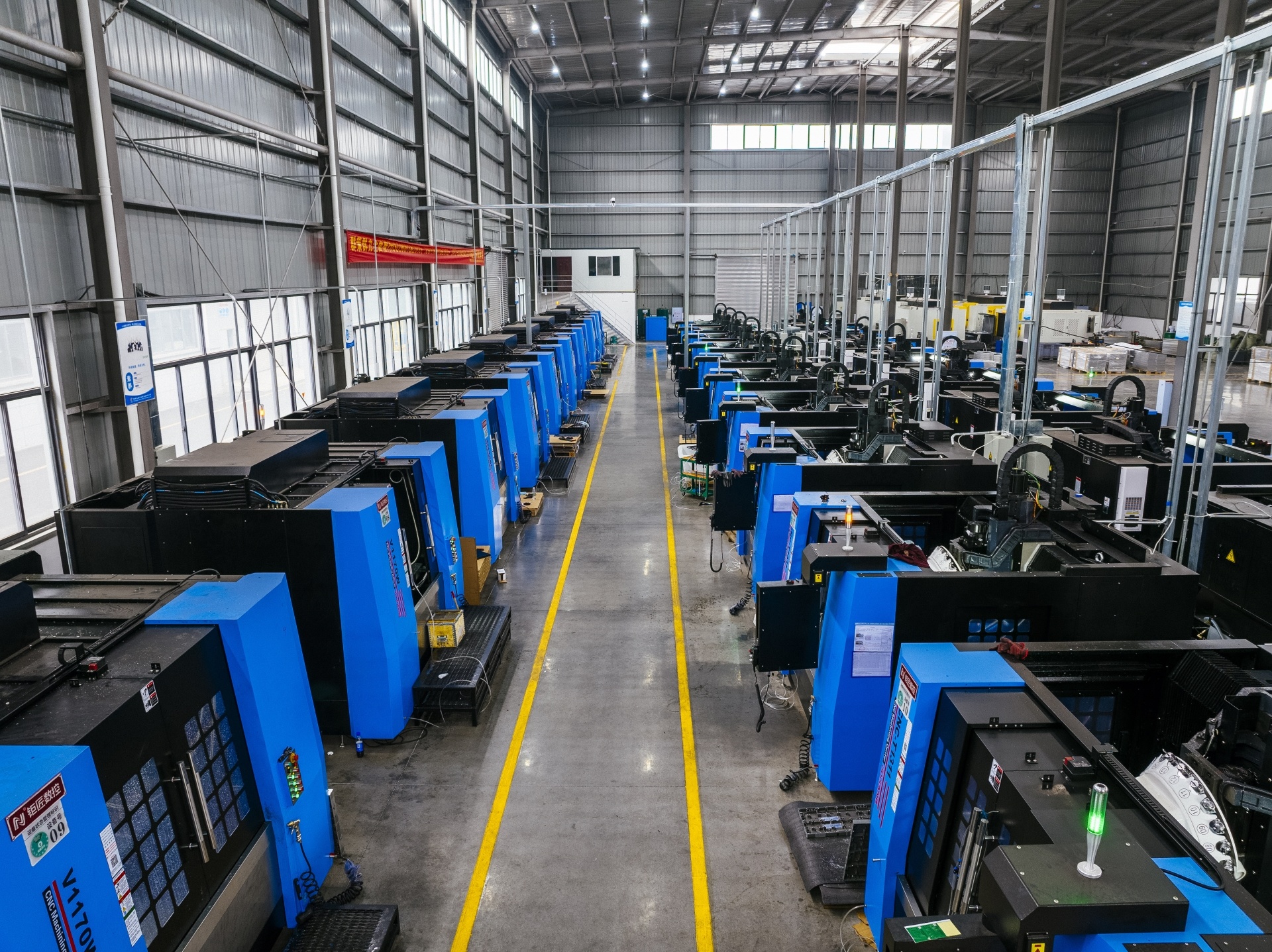
2. Key Benefits of Magnesium Alloy in Manufacturing
The incorporation of magnesium alloys into die-casting processes provides numerous benefits, which can lead to significant improvements in manufacturing efficiency.
2.1 Lightweight and Durable
One of the most notable advantages of magnesium alloys is their lightweight nature. They are approximately one-third the weight of aluminum, enabling manufacturers to create lightweight components without sacrificing strength or durability. This characteristic is particularly beneficial in industries such as automotive and aerospace, where weight reduction is crucial for efficiency.
2.2 Excellent Thermal Conductivity
Magnesium alloys possess superior thermal conductivity, making them ideal for applications that require efficient heat dissipation. This property is essential in electronic components and enclosures, where overheating can lead to system failures.
2.3 Corrosion Resistance
The inherent corrosion resistance of magnesium alloys ensures that die-cast cabinets remain functional and aesthetically pleasing over time. This durability results in lower maintenance costs and an extended lifecycle for products.
2.4 Cost-Effectiveness
While the initial investment in magnesium alloy die-cast cabinets may be higher than traditional materials, the long-term savings in maintenance, energy consumption, and enhanced performance make them a cost-effective choice for manufacturers.
3. Applications of Die-Cast Cabinets in Various Industries
Magnesium alloy die-cast cabinets are versatile and can be used across various industries, including:
3.1 Automotive Industry
In the automotive sector, magnesium alloys are utilized for various components such as engine blocks, transmission cases, and structural parts. Their lightweight nature contributes to overall vehicle efficiency, reducing fuel consumption and emissions.
3.2 Aerospace Sector
The aerospace industry benefits significantly from magnesium die-casting due to the rigorous demands for weight reduction and high performance. Components such as housings and brackets can be manufactured using magnesium alloys to enhance efficiency without compromising safety.
3.3 Consumer Electronics
In the realm of consumer electronics, magnesium alloy die-cast cabinets are used for smartphones, laptops, and gaming consoles. These materials provide a sleek and robust enclosure that protects sensitive components while maintaining aesthetic appeal.
3.4 Medical Devices
The medical device sector also leverages magnesium alloys for lightweight and corrosion-resistant components. From surgical instruments to imaging equipment, magnesium die-cast cabinets ensure reliability and performance.
4. Transforming Your Manufacturing Process
Integrating magnesium alloy die-cast cabinets into your manufacturing process can lead to a complete transformation in efficiency and product quality.
4.1 Streamlined Production
With advanced die-casting technology, manufacturers can produce complex shapes and designs in a single step. This streamlined production process reduces lead times and minimizes the need for additional machining or assembly.
4.2 Enhanced Product Quality
The precision of magnesium die-casting results in high-quality components with tight tolerances. This accuracy translates into better fit and function, reducing the likelihood of product failures.
4.3 Reduced Waste
Magnesium alloys allow for near-net-shape production, which minimizes material waste during the manufacturing process. This efficiency contributes to sustainability efforts and lowers overall production costs.
5. Understanding the Unique Properties of Magnesium Alloys
To truly appreciate the benefits of magnesium alloy die-cast cabinets, it's essential to understand the unique properties of these materials.
5.1 Strength-to-Weight Ratio
Magnesium alloys boast an exceptional strength-to-weight ratio, making them ideal for applications where weight reduction is paramount without compromising structural integrity.
5.2 Ductility and Machinability
Magnesium alloys exhibit excellent ductility, allowing for easy shaping and forming. Additionally, they can be machined effectively, making them suitable for intricate designs and components.
5.3 Thermal Stability
The thermal stability of magnesium alloys ensures that they retain their structural properties under varying temperatures, making them ideal for high-performance applications.
6. Design Considerations for Die-Cast Cabinets
When designing magnesium alloy die-cast cabinets, several factors must be considered to optimize performance and functionality.
6.1 Wall Thickness
Designers need to balance wall thickness to ensure structural integrity while minimizing weight. Thinner walls can lead to weight reduction but may compromise strength if not adequately designed.
6.2 Surface Treatment
Choosing the right surface treatment is essential for enhancing corrosion resistance and aesthetic appeal. Techniques such as powder coating or anodizing can significantly improve the performance of die-cast cabinets.
6.3 Stress Concentration
Designers must consider stress concentration points to prevent failures during operation. Using fillets and radii in the design can help distribute stress more evenly throughout the component.
7. Implementing Magnesium Alloy Die-Cast Cabinets
Successfully implementing magnesium alloy die-cast cabinets in your manufacturing process involves several steps.
7.1 Supplier Selection
Choosing a reliable supplier with expertise in magnesium alloys is crucial. Look for suppliers who can provide high-quality materials and support throughout the manufacturing process.
7.2 Equipment Requirements
Evaluate your current manufacturing equipment to determine if any upgrades are necessary to accommodate magnesium die-casting. Advanced machinery may be required to achieve the precision and efficiency desired.
7.3 Training and Education
Investing in training for your workforce is essential to maximize the benefits of magnesium alloy die-cast cabinets. Understanding the properties and handling of magnesium alloys will lead to better decision-making and reduced errors during production.
8. Future Trends in Magnesium Alloy Die-Casting
As technology advances, the future of magnesium alloy die-casting looks promising.
8.1 Innovative Alloys
Research and development are leading to the creation of new magnesium alloy formulations with enhanced properties. These innovations will expand the applications and benefits of die-casting in various industries.
8.2 Automation in Die-Casting
The integration of automation and robotics in die-casting processes is set to enhance efficiency and precision further. Automated systems can reduce human error and increase production rates.
8.3 Sustainability Efforts
The manufacturing industry is increasingly focused on sustainability, and magnesium alloys are eco-friendly due to their recyclability. The future will likely see a greater emphasis on sustainable practices within die-casting operations.
Integrating magnesium alloy die-cast cabinets into your manufacturing process presents a unique opportunity to enhance efficiency, reduce costs, and improve product quality. By leveraging the lightweight and durable properties of magnesium alloys, manufacturers can transform their operations and remain competitive in an ever-evolving industry. As technology advances and sustainability efforts take precedence, magnesium alloy die-cast cabinets will undoubtedly play a pivotal role in the future of manufacturing. Embrace this innovation and witness the transformative impact it can have on your business.
Related News
Magnesium Alloy Die-Cast Cabinets: A Game-Changer in the Manufacturing Industry
Magnesium Alloy Die-Cast Cabinets: A Game-Changer in the Manufacturing Industry Table of Contents 1. Introduction to Magnesium Alloy Die-Cast Cabinets 2. Understanding Magnesium Alloy: Properties and Benefits 3. Die-Casting Technology: Overview and Process 4. Advantages of Using Magnesium Alloy for Cabinets 4.1 Lightweight Yet Strong 4.2 Corrosion
Unlocking the Benefits of LED Display Die-Cast Cabinets in Industrial Applications
In the realm of industrial equipment and components, specifically within storage and transportation devices, LED display die-cast cabinets have emerged as a critical innovation. These cabinets are meticulously designed to accommodate LED display panels, thus serving as both a protective enclosure and a functional component in various industrial applications. One of the key features of LED display
Innovative Applications of LED Display Mg Alloy Cabinets in Industry
Innovative Applications of LED Display Mg Alloy Cabinets in Industry Table of Contents Introduction to LED Display Mg Alloy Cabinets What is Magnesium Alloy? Advantages of Using Mg Alloy in Cabinets LED Display Technology: An Overview Innovative Applications of LED Display Mg Alloy Cabinets in Industry 1. Manufacturing and Production Facilities
Understanding the Impact of LED Display Die-Casting Cabinets in Industrial Applications
In recent years, LED display die-casting cabinets have become increasingly essential in various industries, particularly in sectors involving industrial equipment and storage solutions. These cabinets are designed to house LED displays, offering a robust and efficient solution for showcasing information in environments where durability and performance are paramount. One of the key advantages of LE
How Mg Alloy Die-Casting Supports Innovation in Packaging Table of Contents 1. Introduction to Magnesium Alloy Die-Casting 2. Understanding Die-Casting in the Packaging Industry 3. The Benefits of Magnesium Alloys in Packaging 4. Sustainability and Environmental Impact of Mg Alloy Packaging 5. Applications of Magnesium Alloys in Packaging 6. Comparing Mg Alloys with Other
Exploring the Benefits of Magnesium Alloy Die-Cast Cabinets in Manufacturing
Magnesium alloy die-cast cabinets are increasingly making their mark in the manufacturing and machining sectors, particularly in mold-making and forging applications. Understanding their benefits can offer manufacturers a competitive edge in today’s fast-paced market. One of the primary advantages of magnesium alloys is their exceptional strength-to-weight ratio. Unlike other metals, magnesium is
Contact
Dongguan U-MOTION
Phone:+86 0769-83608188
Email:admin@umtdiecast.com
Address: No. 11, Mingzhu 2nd Road, Shebei Village, Huangjiang Town, Dongguan City
Chongqing U-MOTION
Mobile:+86 15820453870(Mr. Huang)
Email:admin@umtdiecast.com
Address: No. 3, Longtang Road, Tongliang District, Chongqing City
HK HUIMENG
ROOM 1, 16/F, EMPRESS PLAZA, 17-19 CHATHAM ROAD SOUTH, TSIM SHA TSUI, KOWLOON, HONG KONG

Official Public Number
Links: