
Understanding the Manufacturing Process of LED Display Die-Casting Cabinets
Release time:
2026-02-25 10:00
Source:
1. Introduction to LED Display Die-Casting Cabinets
LED display die-casting cabinets are essential components in the realm of electronic displays. These cabinets serve as the housing for LED panels, ensuring durability, functionality, and aesthetic appeal. The manufacturing process behind these cabinets is sophisticated and requires a deep understanding of materials, design, and engineering techniques. In this article, we will explore the comprehensive journey of creating LED display die-casting cabinets, from raw materials to the final product.
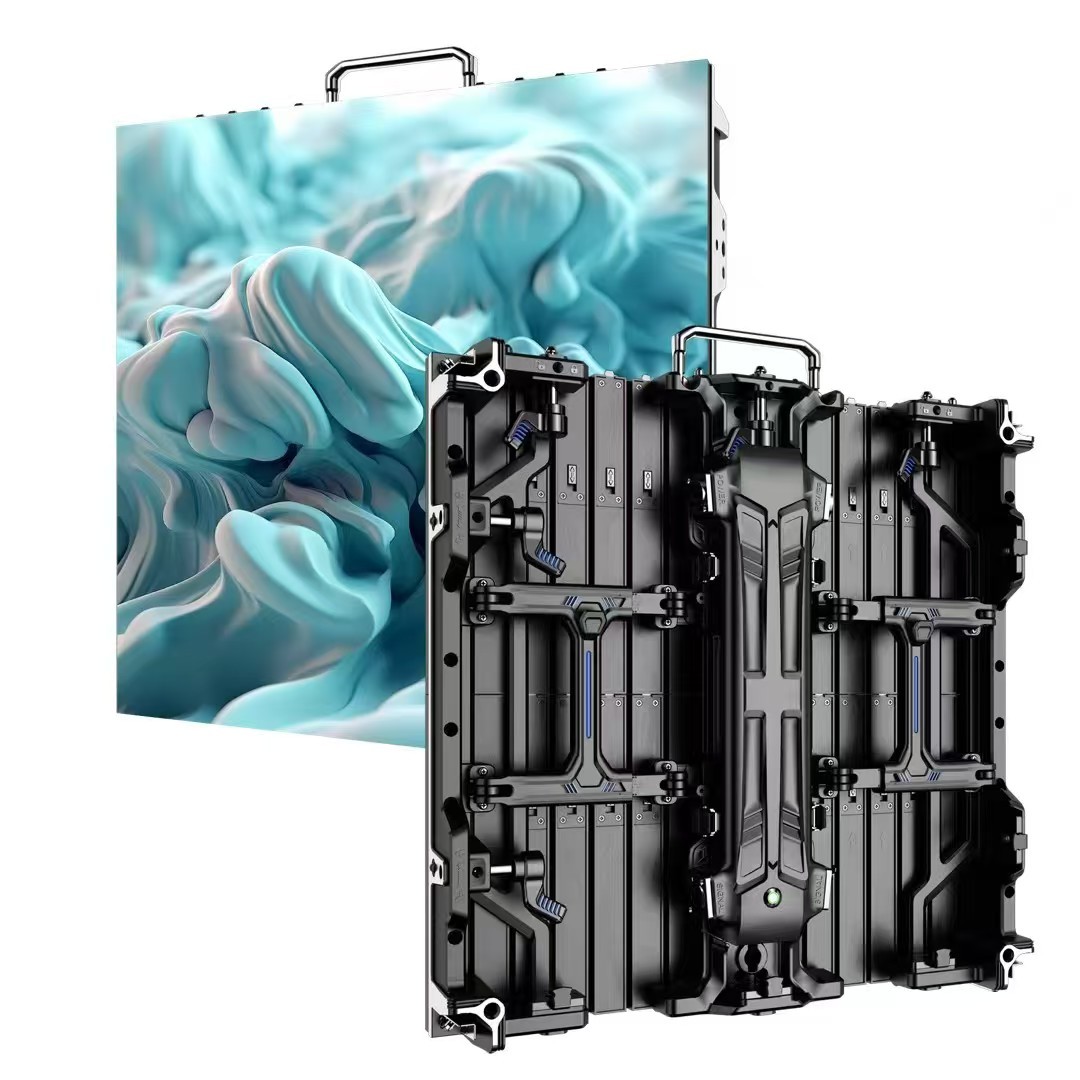
2. The Significance of Die-Casting in Manufacturing
Die-casting is a pivotal manufacturing technique that enables the production of complex geometries with high precision. This method involves forcing molten metal into a mold, where it solidifies to form the desired shape. Die-casting is favored for its ability to produce parts that are strong, lightweight, and capable of withstanding harsh environmental conditions. Additionally, this process offers significant cost savings due to its efficiency, making it a preferred choice in the production of LED display cabinets.
3. Key Materials Used in Die-Casting Cabinets
The choice of materials significantly impacts the quality and performance of LED display die-casting cabinets. Common materials include:
3.1 Aluminum
Aluminum is the most widely used material in die-casting due to its excellent thermal conductivity, lightweight nature, and resistance to corrosion. It provides strength and durability while ensuring the cabinets remain lightweight.
3.2 Magnesium
Magnesium is another popular choice, as it is even lighter than aluminum and offers good strength-to-weight ratios. Its use in die-casting cabinets enhances portability without compromising structural integrity.
3.3 Zinc
Zinc die-casting alloys are favored for their excellent finishing characteristics and resistance to corrosion. They are often used in applications where surface appearance is crucial.
4. The Step-by-Step Manufacturing Process
The manufacturing process of LED display die-casting cabinets can be broken down into several key stages:
4.1 Design and Prototyping
The initial phase involves designing the cabinet using CAD (Computer-Aided Design) software. Engineers create detailed drawings that account for dimensions, weight distribution, and heat dissipation. Prototyping is then conducted to ensure the design meets all specifications before moving to the molding phase.
4.2 Molding Process
Once the design is finalized, the next step is the creation of the die. Custom molds are manufactured to precisely match the product requirements. The die-casting process begins by heating the metal to a molten state, allowing it to flow into the mold. This step requires careful temperature control to ensure optimal flow and minimize defects.
4.3 Cooling and Solidification
After the molten metal has filled the mold, it is allowed to cool and solidify. Cooling time varies depending on the material and thickness of the cabinet. Proper cooling is crucial to prevent warping and ensure the integrity of the final product.
4.4 Finishing Processes
Once the cabinet has cooled, it undergoes several finishing processes, such as machining, sanding, and surface treatment. These processes enhance the aesthetics and functionality of the cabinets. Surface treatments, such as anodizing or powder coating, are applied to improve corrosion resistance and provide a polished finish.
5. Quality Control in LED Display Manufacturing
Quality control is a critical aspect of the manufacturing process for LED display die-casting cabinets. Rigorous testing ensures that each cabinet meets industry standards and customer expectations. Quality control measures include:
5.1 Dimensional Inspection
Every cabinet is measured to ensure it meets specified dimensions. This includes assessing tolerances and verifying that all features align with the original design.
5.2 Material Testing
Materials are subjected to various tests, including tensile strength and corrosion resistance. This guarantees that the cabinets can withstand environmental stresses and maintain their integrity over time.
5.3 Functional Testing
Before reaching the market, cabinets undergo functional testing to ensure they perform as intended. This includes assessing thermal management and structural stability when housing LED displays.
6. Applications of LED Display Die-Casting Cabinets
LED display die-casting cabinets are utilized in a variety of industries and applications, including:
6.1 Advertising
Large-scale LED displays are often used for advertising in urban areas, shopping malls, and stadiums, making the durability and aesthetic quality of the cabinets essential.
6.2 Events and Broadcasts
In the entertainment industry, LED display cabinets are crucial for live events and broadcasting, providing vibrant imagery and engaging experiences for audiences.
6.3 Transportation Hubs
Airports, train stations, and bus terminals use LED displays for information dissemination. Robust cabinets ensure that these displays remain operational in high-traffic environments.
7. Future Trends in LED Display Cabinet Manufacturing
The future of LED display die-casting cabinets is shaped by several emerging trends:
7.1 Eco-Friendly Materials
As sustainability becomes a priority, manufacturers are exploring eco-friendly materials and processes. Recycled metals and sustainable manufacturing practices can reduce the environmental impact of production.
7.2 Advanced Manufacturing Technologies
Technological advancements, such as 3D printing and automation, are set to revolutionize the die-casting process, increasing efficiency and reducing lead times.
7.3 Customization and Personalization
The demand for customized LED displays is growing. Manufacturers are focusing on more flexible production methods to cater to specific customer needs without sacrificing quality.
Understanding the manufacturing process of LED display die-casting cabinets reveals the intricate blend of materials, technology, and craftsmanship involved in creating these essential components. As industries continue to evolve, the demand for innovative, durable, and aesthetically pleasing cabinets will drive advancements in manufacturing techniques. Embracing new materials, technologies, and sustainable practices will shape the future of LED display manufacturing, ensuring that these products meet the ever-changing needs of consumers and businesses alike. Through detailed design, robust quality control, and a focus on functionality, manufacturers can continue to produce high-quality LED display die-casting cabinets that stand the test of time.
Previous Page
Related News
Magnesium Alloy Die-Cast Cabinets: A Game-Changer in the Manufacturing Industry
Magnesium Alloy Die-Cast Cabinets: A Game-Changer in the Manufacturing Industry Table of Contents 1. Introduction to Magnesium Alloy Die-Cast Cabinets 2. Understanding Magnesium Alloy: Properties and Benefits 3. Die-Casting Technology: Overview and Process 4. Advantages of Using Magnesium Alloy for Cabinets 4.1 Lightweight Yet Strong 4.2 Corrosion
Unlocking the Benefits of LED Display Die-Cast Cabinets in Industrial Applications
In the realm of industrial equipment and components, specifically within storage and transportation devices, LED display die-cast cabinets have emerged as a critical innovation. These cabinets are meticulously designed to accommodate LED display panels, thus serving as both a protective enclosure and a functional component in various industrial applications. One of the key features of LED display
Innovative Applications of LED Display Mg Alloy Cabinets in Industry
Innovative Applications of LED Display Mg Alloy Cabinets in Industry Table of Contents Introduction to LED Display Mg Alloy Cabinets What is Magnesium Alloy? Advantages of Using Mg Alloy in Cabinets LED Display Technology: An Overview Innovative Applications of LED Display Mg Alloy Cabinets in Industry 1. Manufacturing and Production Facilities
Understanding the Impact of LED Display Die-Casting Cabinets in Industrial Applications
In recent years, LED display die-casting cabinets have become increasingly essential in various industries, particularly in sectors involving industrial equipment and storage solutions. These cabinets are designed to house LED displays, offering a robust and efficient solution for showcasing information in environments where durability and performance are paramount. One of the key advantages of LE
How Mg Alloy Die-Casting Supports Innovation in Packaging Table of Contents 1. Introduction to Magnesium Alloy Die-Casting 2. Understanding Die-Casting in the Packaging Industry 3. The Benefits of Magnesium Alloys in Packaging 4. Sustainability and Environmental Impact of Mg Alloy Packaging 5. Applications of Magnesium Alloys in Packaging 6. Comparing Mg Alloys with Other
Exploring the Benefits of Magnesium Alloy Die-Cast Cabinets in Manufacturing
Magnesium alloy die-cast cabinets are increasingly making their mark in the manufacturing and machining sectors, particularly in mold-making and forging applications. Understanding their benefits can offer manufacturers a competitive edge in today’s fast-paced market. One of the primary advantages of magnesium alloys is their exceptional strength-to-weight ratio. Unlike other metals, magnesium is
Contact
Dongguan U-MOTION
Phone:+86 0769-83608188
Email:admin@umtdiecast.com
Address: No. 11, Mingzhu 2nd Road, Shebei Village, Huangjiang Town, Dongguan City
Chongqing U-MOTION
Mobile:+86 15820453870(Mr. Huang)
Email:admin@umtdiecast.com
Address: No. 3, Longtang Road, Tongliang District, Chongqing City
HK HUIMENG
ROOM 1, 16/F, EMPRESS PLAZA, 17-19 CHATHAM ROAD SOUTH, TSIM SHA TSUI, KOWLOON, HONG KONG

Official Public Number
Links: